
Data input automation has become essential in the digital transformation of businesses. As companies handle larger volumes of data, manually inputting information is not only time-consuming but also prone to errors. Automated Data Input solutions streamline these processes, making data entry faster, more accurate, and less labor-intensive. By embracing AI data input automation and intelligent data entry systems, companies like Kudra are leading the charge in transforming traditional data entry into a smooth, efficient, and intelligent operation.
Why Use Data Input Automation?
Manual data entry tasks can drain resources, taking up valuable time that could be spent on strategic initiatives. Automating data entry with AI offers several distinct advantages:
• Enhanced Accuracy: Automated tools minimize human errors, a significant benefit for sectors where data accuracy is critical, such as healthcare and finance.
• Increased Speed: AI systems process data much faster than manual methods, allowing real-time data access for informed decision-making.
• Cost Reduction: By minimizing manual labor, companies save costs on staffing and training for repetitive tasks.
• Scalability: Automation solutions can handle large volumes of data, enabling businesses to scale their operations without increasing manpower.
How Does AI Data Input Automation Work?
AI data input automation uses several advanced technologies to streamline data entry:
- Optical Character Recognition (OCR): OCR converts text from scanned documents and images into machine-readable formats, making it ideal for digitizing paper records.
- Machine Learning (ML): AI models are trained to recognize patterns in data, which improves their accuracy over time as they encounter more examples.
- Natural Language Processing (NLP): NLP is essential for interpreting unstructured data, such as emails or handwritten notes, transforming it into structured data ready for use.
Key Tools for Data Input Automation
Here are some of the best tools and technologies that power data input automation and how they can help different industries.
1. Optical Character Recognition (OCR) Tools
OCR technology is designed to capture and process text from scanned documents, making it accessible in digital formats. OCR is commonly used for digitizing documents in fields like healthcare, where patient records and prescriptions need to be quickly accessible.
Popular OCR Tools:
Adobe Acrobat Pro: An industry-standard tool for turning paper documents into editable PDFs, widely used in corporate settings.
Kudra’s OCR Integration: Kudra offers OCR capabilities that seamlessly integrate with your data management systems, ensuring accurate data extraction and reducing manual re-entry.

2. Robotic Process Automation (RPA)
RPA platforms enable companies to create “bots” that can handle repetitive tasks across multiple applications, such as copying data from one program and entering it into another.
Top RPA Tools:
UiPath: Known for ease of use, UiPath is favored for automating routine workflows.
Kudra’s RPA Modules: Kudra’s RPA solutions help businesses streamline multi-step processes, especially for high-volume, repeatable tasks, enabling data flows across departments.
3. App Integration Software
Integrating multiple applications is essential for data input automation. App integration software allows different systems to “talk” to each other, reducing the need for manual data transfer between platforms.
• Kudra’s Integration Layer: Kudra’s platform integrates with popular CRMs, ERPs, and cloud storage, ensuring a seamless data flow across applications.

Steps to Implement Data Input Automation
Implementing a successful data input automation strategy involves a few essential steps:
1. Define Automation Goals: Determine the tasks that require automation, focusing on high-volume, repetitive data entry.
2. Identify Suitable Tools: Choose tools that align with the data types and volumes your organization handles. Kudra provides a range of tools that cater to structured and unstructured data inputs.
3. Integrate Tools with Existing Systems: Ensure that the automation software can connect with your current systems to avoid data silos.
4. Train the System: For machine learning systems, initial training with representative data is necessary for accurate operation.
5. Monitor and Optimize: Continuously monitor the automation system’s performance to refine and improve data capture accuracy.
Industry Applications of Data Input Automation
Data input automation can be adapted to different industries based on specific needs. Here are some examples:
Finance: Automates data entry for transactions, regulatory compliance reports, and financial statements.
Healthcare: Speeds up the input of patient records, lab results, and insurance claims.
E-commerce and Retail: Streamlines inventory updates, order processing, and customer records.
With Kudra’s advanced AI tools, businesses across sectors can efficiently manage data input tasks, ensuring compliance and operational agility.
Emerging Trends in Data Input Automation for 2025
As businesses advance toward greater digital transformation, here are some data input automation trends to watch:
- AI-Driven Predictive Data Entry: With AI learning from historical data patterns, predictive data entry will enable systems to pre-fill information, reducing human input needs even further.
- Increased Use of Edge Computing: Edge computing allows data processing close to its source, such as IoT devices, enhancing speed and data security for automated input tasks.
- Enhanced Customization: As businesses seek to address unique data entry requirements, AI tools like Kudra’s will offer greater customization options for diverse data formats and structures.
- RPA and AI Synergy: The integration of RPA with AI capabilities will enable end-to-end automation of complex processes, such as compliance checks and cross-department data transfers.
How Kudra is Shaping the Future of Data Input Automation
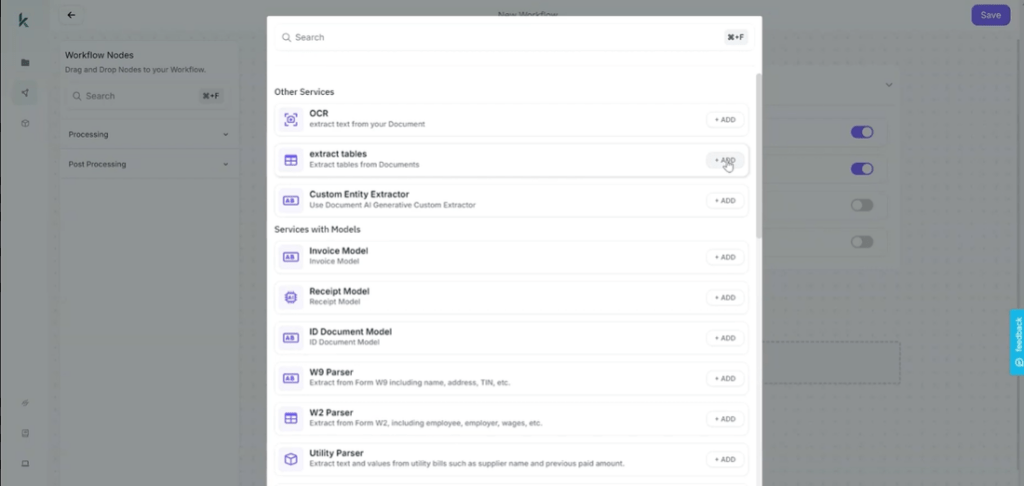
Kudra.ai leads the field by providing a comprehensive suite of AI tools tailored for data input automation. Here’s how Kudra’s solutions stand out:
- Versatile Data Capture: Kudra’s system handles structured, unstructured, and semi-structured data, making it suitable for a range of industries.

- Customizable Automation: Kudra offers flexible automation rules that allow companies to tailor data input processes to specific needs, enhancing workflow efficiency.
- Enhanced Compliance: With built-in compliance protocols, Kudra ensures data privacy and regulatory alignment, crucial for industries like finance and healthcare.
Getting Started with Kudra’s Data Input Automation
Kudra’s AI-powered data input automation platform is easy to implement and highly adaptable. Businesses can begin by consulting with Kudra’s experts to assess their data management needs. The process includes:
Evaluating Current Processes: Identifying inefficiencies in manual data handling.
Setting Automation Goals: Defining short- and long-term objectives for automation.
Configuring Tools: Installing and customizing the automation tools.
Ongoing Support and Optimization: Kudra provides ongoing support to ensure the tools are fully optimized and continue to meet evolving data demands.
Conclusion
Data input automation is transforming businesses, making data entry faster, more reliable, and far less resource-intensive. AI-powered solutions like those offered by Kudra enable organizations to streamline operations, reduce costs, and improve accuracy across data management tasks. As we look ahead to 2025, automation will become even more integrated, predictive, and adaptable, making now the ideal time for businesses to leverage tools that drive data efficiency. With Kudra.ai, companies can confidently automate their data input needs, focusing resources on growth and innovation.


