
In today’s fast-paced business environment, the efficiency and accuracy of data management play a pivotal role in an organization’s success. Automated data entry emerges as a game-changer, offering solutions that not only streamline processes but also minimize errors and reduce operational costs. This comprehensive guide delves into the intricacies of mastering automated data entry, providing insights and actionable strategies to elevate your business operations.
Understanding the Fundamentals of Automated Data Entry
Defining Automated Data Entry
Automated data entry refers to the use of software and technologies to input data into systems without manual intervention. Unlike traditional manual data entry, which involves human operators typing information into databases or spreadsheets, automation leverages tools to handle repetitive tasks efficiently. This spectrum ranges from assisted automation, where humans oversee the process, to fully autonomous systems that operate independently.
The Core Technologies Powering Automation
Several advanced technologies underpin automated data entry systems:
- Optical Character Recognition (OCR): Converts different types of documents, such as scanned paper documents or PDFs, into editable and searchable data.
- Robotic Process Automation (RPA): Uses software robots to mimic human actions, handling tasks like data extraction and input across various applications.
- Artificial Intelligence and Machine Learning (AI/ML): Enhances data accuracy by learning from data patterns and improving over time.
- Natural Language Processing (NLP): Enables systems to understand and interpret human language, facilitating more intuitive data handling.
- Application Programming Interfaces (APIs): Allow different software systems to communicate and integrate seamlessly, ensuring smooth data flow.
Benefits of Automated Data Entry
Adopting an automated data entry system offers numerous advantages:
- Increased Efficiency: Automation accelerates data processing, allowing tasks that once took hours to be completed in minutes.
- Enhanced Accuracy: Reduces human errors associated with manual entry, ensuring data integrity.
- Cost Savings: Decreases the need for extensive manual labor, lowering operational costs.
- Scalability: Easily handles large volumes of data as your business grows.
- Data Security: Advanced systems offer robust security measures to protect sensitive information.

Core Technologies Behind Automation
Understanding the technologies that drive automated data entry is crucial for selecting the right solutions:
- OCR (Optical Character Recognition): Essential for converting physical documents into digital formats, enabling further processing.
- RPA (Robotic Process Automation): Automates repetitive tasks by interacting with multiple software applications.
- AI and ML: Provide intelligent data analysis and predictive capabilities, improving over time with more data.
- NLP (Natural Language Processing): Facilitates better interaction with data through understanding and generating human language.
Implementing an Automated Data Entry System
Successful implementation of an automated data entry system involves several key steps:
- Assess Your Needs: Identify the specific data entry tasks that can benefit from automation.
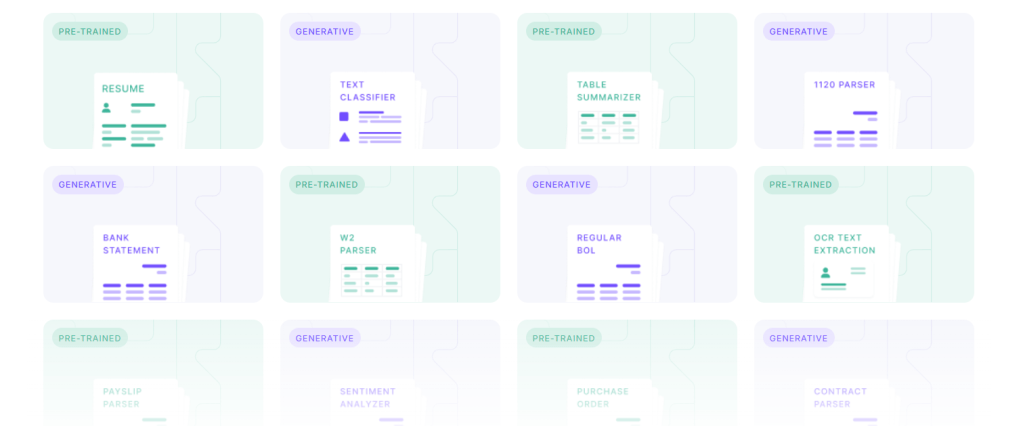
- Choose the Right Software: Evaluate automated data entry software based on features, scalability, and integration capabilities. Consider providers like Kudra.ai, known for its AI-powered solutions.
- Integrate with Existing Systems: Ensure seamless communication between your automated system and current business applications.
- Train Your Team: Provide adequate training to your staff to manage and oversee the automated processes.
- Monitor and Optimize: Continuously evaluate the system’s performance and make necessary adjustments for optimal efficiency.

Choosing the Right Automated Data Entry Software
With a plethora of options available, selecting the appropriate software is critical. Consider the following factors:
- Functionality: Ensure the software meets your specific data entry requirements, such as automated data entry excel capabilities.
- Ease of Use: Look for user-friendly interfaces and features like fully automated data entry userform in excel free download.
- Integration: Compatibility with your existing systems, including CRM and ERP platforms.
- Security: Robust security measures to protect sensitive data.
- Provider Reputation: Research solution providers like Kudra.ai for their AI-driven document processing and automation capabilities.
- Support and Maintenance: Reliable customer support and regular updates to keep the system running smoothly.
Use Cases and Industry Examples
Various industries leverage automated data entry systems to enhance their operations:
- Healthcare: Streamlining patient data management and record-keeping.
- Finance: Automating transaction entries and compliance reporting.
- Retail: Managing inventory data and sales records efficiently.
- Manufacturing: Handling supply chain information and production data.

The Future of Automated Data Entry
The landscape of data entry automation is continually evolving. Advances in AI and machine learning are paving the way for more intelligent and adaptive systems. Features like fully automated data entry userform in excel are becoming more sophisticated, offering enhanced customization and integration capabilities. Solution providers like Kudra.ai are at the forefront, leveraging AI to automate data extraction from various document types. Additionally, the rise of mobile automation devices is enabling data entry tasks to be performed on-the-go, increasing flexibility and accessibility.

Conclusion
Embracing automated data entry is no longer a luxury but a necessity for businesses aiming to stay competitive in the digital age. By leveraging advanced automated data entry software and integrating robust systems, organizations can achieve unparalleled efficiency, accuracy, and scalability. Whether you’re looking to easily make an automated data entry form in excel or seeking a comprehensive automated data entry system, solution providers like Kudra.ai offer the right approach and tools to transform your data management processes.
As technology continues to advance, the question isn’t can data entry be automated, but rather, how effectively can your business implement and utilize these automated solutions. Investing in the right technologies today will pave the way for a more efficient and error-free future.


