
The human resources landscape is undergoing a profound transformation, driven by the rapid advancement of artificial intelligence (AI) and automation technologies. As businesses face increasingly complex workforce challenges, the need for more efficient, data-driven, and strategic HR processes has never been more pressing. This comprehensive guide explores how AI in HR is revolutionizing HR automation, addressing longstanding pain points, and paving the way for a more dynamic and responsive approach to human capital management.
In recent years, we’ve witnessed a significant surge in the adoption of AI in HR across various functions, from recruitment and onboarding to employee management and performance reviews. This shift is not merely a trend but a necessary evolution in response to the growing demands placed on HR departments. As organizations grapple with talent shortages, remote work challenges, and the need for agile workforce management, AI-powered solutions are emerging as invaluable tools in the HR professional’s arsenal.
The integration of AI in HR promises to streamline operations, reduce human bias, enhance decision-making processes, and ultimately contribute to a more engaged and productive workforce. By leveraging machine learning algorithms, natural language processing, and predictive analytics, AI is enabling HR departments to move beyond traditional, reactive approaches to more proactive and strategic methodologies.
This guide delves into the challenges of traditional HR management, explores the game-changing potential of AI in HR, examines key applications of this technology, and discusses the implementation of AI-driven HR solutions. We’ll also analyze the return on investment (ROI) of integrating AI in HR processes and introduce Kudra, an innovative AI platform designed to revolutionize HR document processing and workflow automation.
As we embark on this exploration of AI in HR automation, it’s crucial to understand that this technological shift is not about replacing human HR professionals. Instead, it’s about augmenting their capabilities, freeing them from mundane tasks, and empowering them to focus on the strategic, interpersonal aspects of HR that truly drive organizational success. Let’s dive into the transformative world of AI in HR and discover how it’s reshaping the future of work.
The Challenges of Traditional HR Management
Before we delve into the transformative power of AI in HR, it’s essential to understand the challenges that have long plagued traditional HR management. These pain points not only highlight the need for innovation in HR processes but also underscore the potential impact of AI-driven solutions.
Time-Consuming Manual Tasks
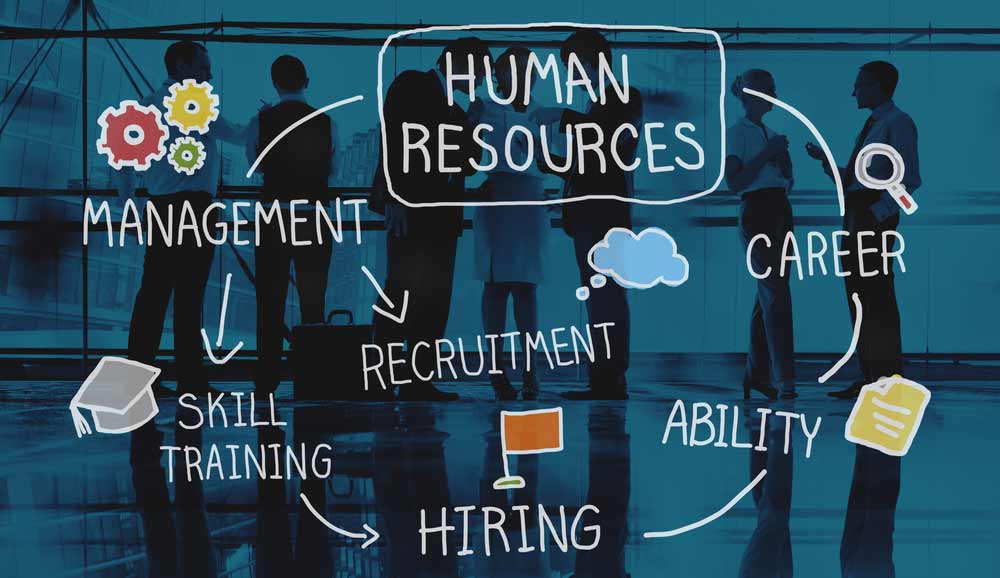
One of the most significant challenges in traditional HR management is the sheer volume of time-consuming manual tasks. HR professionals often find themselves bogged down by administrative duties that, while necessary, detract from more strategic initiatives. Tasks such as resume screening, data entry, onboarding, and benefits administration can be incredibly labor-intensive. For instance, manually reviewing hundreds of resumes for a single job posting is not only time-consuming but also prone to human error and inconsistency.
Inconsistent Decision-Making
Human decision-making, while valuable, can introduce inconsistencies and biases into HR processes. This is particularly evident in recruitment, where personal biases can influence hiring decisions, potentially leading to a less diverse workforce. Similarly, performance evaluations often suffer from subjectivity, resulting in inconsistent reviews that can affect employee morale and career progression.
Limited Data Analysis Capabilities
Traditional HR management often lacks the tools to effectively analyze the vast amounts of data generated by HR processes. Without predictive analytics and data-driven insights, HR departments are often forced to react to issues rather than proactively addressing potential problems. This limitation can result in missed opportunities for strategic decision-making and ineffective resource allocation.
Compliance Risks and Scalability Issues
Keeping up with ever-changing employment laws and regulations is a significant challenge for HR departments. Manual compliance tracking can lead to regulatory violations and inconsistent policy implementation. Additionally, as organizations grow, traditional HR processes struggle to scale effectively, leading to an increased administrative burden and difficulty in maintaining consistency across different locations.
These challenges highlight the pressing need for innovative solutions. The limitations of manual processes, the potential for human bias, and the inability to effectively leverage data all point to the transformative potential of AI in HR automation.
AI in HR - The Game Changer
The integration of AI in HR represents a paradigm shift in how organizations manage their workforce. AI is not just an incremental improvement; it’s a game-changer that’s redefining the very nature of HR operations. Let’s explore how AI in HR is addressing the challenges of traditional HR management and opening up new possibilities for strategic human capital management.
Enhancing Efficiency and Reducing Bias
AI in HR technologies are dramatically improving the efficiency and accuracy of HR processes. Automated data processing, powered by machine learning algorithms, can process vast amounts of data in seconds, eliminating the need for manual data entry and reducing errors. This capability is transformative in areas like resume screening, where AI in HR can analyze thousands of applications in the time it would take a human to review a handful. Moreover, AI-powered recruitment tools can focus solely on relevant qualifications and skills, helping to eliminate unconscious biases that may influence human recruiters.
Data-Driven Decision Making
One of the most significant advantages of AI in HR is its ability to enhance decision-making processes. AI systems can analyze multiple data points, providing a holistic and objective view of employee performance, reducing the impact of personal biases in performance reviews. Predictive analytics, a key aspect of AI in HR, can analyze historical data to predict future trends, enabling HR to proactively address potential issues such as employee attrition or skill shortages.
Personalized Employee Experience
AI in HR is enabling a level of personalization that was previously impossible. Tailored learning and development, intelligent career pathing, and customized benefits recommendations are now feasible through AI’s ability to analyze an employee’s skills, performance, and career aspirations. By understanding individual needs, AI in HR can suggest personalized learning paths, potential career trajectories, and relevant benefits options, enhancing the overall employee experience.
Key Applications of AI in HR
As AI in HR continues to revolutionize the HR landscape, its applications are becoming increasingly diverse and sophisticated. This section explores some of the key areas where AI in HR is making a significant impact, transforming traditional HR processes into more efficient, data-driven, and strategic operations.
AI-Powered Recruitment and Talent Acquisition
Recruitment is one of the areas where AI in HR has made the most visible and immediate impact. AI-driven solutions are streamlining the hiring process, reducing time-to-hire, and improving the quality of candidates. For example, AI algorithms can quickly scan and analyze thousands of resumes, identifying the most qualified candidates based on predefined criteria. This process is elaborated in our article Streamlining Recruitment with Resume Parsing: The Role of AI, which provides a comprehensive look at how AI enhances resume processing efficiency.

AI in HR Onboarding
The onboarding process is crucial for new employee success and retention. AI in HR is making this process more efficient and personalized. AI can automate documentation by pre-populating onboarding forms with information from the hiring process, reducing manual data entry. It can also create personalized onboarding plans based on the new hire’s role and experience, ensuring a seamless integration into the organization. AI-powered virtual assistants can guide new employees through the onboarding process, answering questions and providing relevant information, thereby enhancing the overall onboarding experience.
AI-Driven Performance Management
Traditional annual performance reviews are being replaced by more continuous, data-driven approaches enabled by AI in HR. AI can analyze various data points, such as project completion rates and peer feedback, to provide ongoing performance insights. By leveraging machine learning, AI in HR can also predict future performance trends, allowing for proactive management and development of employees. The advantages of using AI for performance evaluations are discussed in detail in our article on Benefits of Using AI for Employee Performance Reviews. Additionally, AI can identify potential biases in performance evaluations, promoting fairer assessments and helping HR make more objective decisions.

AI in HR for Learning and Development
AI is personalizing and optimizing learning experiences for employees. Through AI in HR, organizations can perform skill gap analysis, identifying learning needs based on individual performance data. AI-powered learning platforms can then create personalized learning paths, adjusting content difficulty and style based on the learner’s progress. This adaptive learning approach ensures that employees receive the most relevant and effective training, fostering continuous professional growth.
Implementing AI in HR with Kudra
As organizations seek to harness the power of AI in HR, platforms like Kudra are leading the way in offering comprehensive HR-specific functionalities. Kudra provides advanced resume parsing, automated document processing, and custom workflows that streamline HR operations from recruitment to performance management. By integrating AI in HR into their processes, HR departments can leverage Kudra’s capabilities to enhance decision-making, reduce manual workload, and provide a more engaging experience for employees.
Kudra’s AI-powered tools enable HR professionals to efficiently manage HR documents, automate routine tasks, and ensure compliance with ever-changing regulations. By adopting Kudra’s solutions, organizations can fully realize the transformative potential of AI in HR automation, empowering HR teams to focus on strategic initiatives that drive business success.
The ROI of AI in HR
Integrating AI in HR processes offers significant return on investment (ROI) for organizations. By automating mundane tasks, AI in HR frees up HR professionals to focus on strategic initiatives and employee engagement. The reduction in time-to-hire, improved quality of hires, and enhanced employee experiences contribute to a more productive and motivated workforce. Additionally, AI in HR enables more informed decision-making, leading to better resource allocation, reduced turnover rates, and ultimately, cost savings for the organization.
AI in HR: The Summary
The integration of AI in HR is not just a technological evolution; it’s a strategic necessity for organizations looking to thrive in a rapidly changing workforce landscape. From streamlining recruitment processes to enhancing performance management and personalizing employee experiences, AI in HR is reshaping the future of work. By embracing AI-driven solutions like Kudra, HR departments can move beyond traditional, reactive approaches and adopt more proactive, data-driven methodologies that drive organizational success.
AI in HR offers a powerful toolset for addressing the challenges of traditional HR management, reducing bias, enhancing decision-making, and enabling HR professionals to focus on what truly matters—strategically managing human capital. As we look to the future, the ongoing transformation of HR through AI promises not only increased efficiency and productivity but also a more inclusive and dynamic work environment that fosters innovation and growth.


