
The world of Invoice OCR Software is rapidly evolving as we move deeper into 2024. With advancements in AI, machine learning, and cloud-based technologies, OCR software is transforming how businesses handle invoice data extraction, accuracy, and compliance. In this article, we’ll dive into the key trends shaping the future of invoice OCR and the innovations driving these changes.
The Evolution of Invoice OCR Software
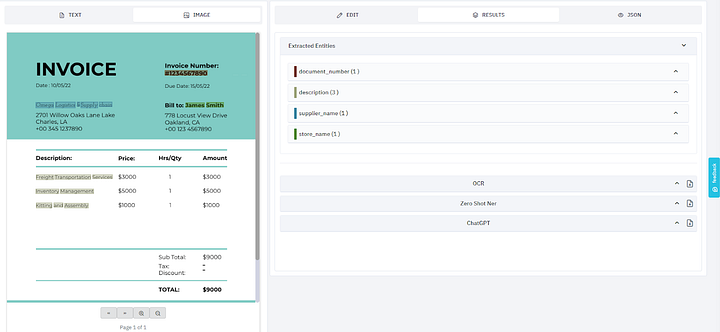
Over the past decade, Optical Character Recognition (OCR) has shifted from basic text recognition tools to sophisticated AI-powered systems that can scan, extract, and process data with remarkable accuracy. Initially, OCR was a solution limited to reading printed text, but recent advancements have enabled it to interpret complex invoice layouts, capture structured and unstructured data, and even understand multiple languages.
As businesses increasingly digitize their operations, OCR has become a critical tool in automating accounts payable (AP) processes, enabling faster invoice approvals, error reduction, and improved compliance with financial regulations.
Key Trends Shaping Invoice OCR Software
AI and Machine Learning Integration:
In 2024, AI-driven OCR solutions are leading the way in invoice management. Machine learning algorithms enable OCR systems to learn from past invoices, improving accuracy over time. These systems can now better interpret irregular document formats, variations in text, and handwritten elements that traditional OCR systems struggled with. As machine learning evolves, OCR systems are becoming more intelligent, and capable of processing invoices faster and with fewer errors.

Natural Language Processing (NLP) and Cognitive Capture:
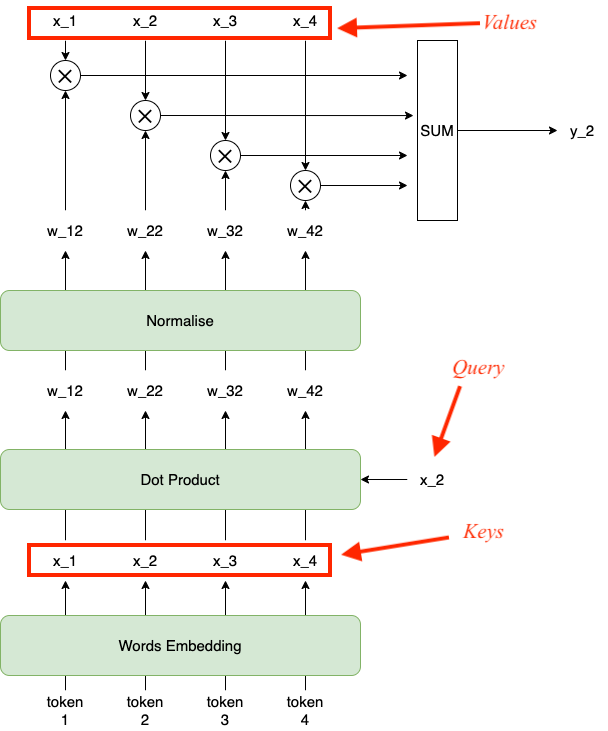
NLP is playing an increasingly significant role in improving OCR’s understanding of the context within invoices. By leveraging cognitive capture, OCR systems can now discern between different types of content in a document, ensuring that important details like payment terms, due dates, and line item descriptions are captured accurately. This improves the quality of extracted data, making it easier to integrate into ERP and accounting systems.
Blockchain Integration for Enhanced Security:
In 2024, blockchain is emerging as a valuable tool for ensuring the integrity and security of data captured by OCR software. Blockchain’s decentralized nature allows for an immutable record of invoice data, enhancing transparency and reducing the risk of fraud. For businesses that handle large volumes of sensitive financial data, integrating OCR with blockchain provides additional layers of protection and traceability.
Multilingual and Global Support:
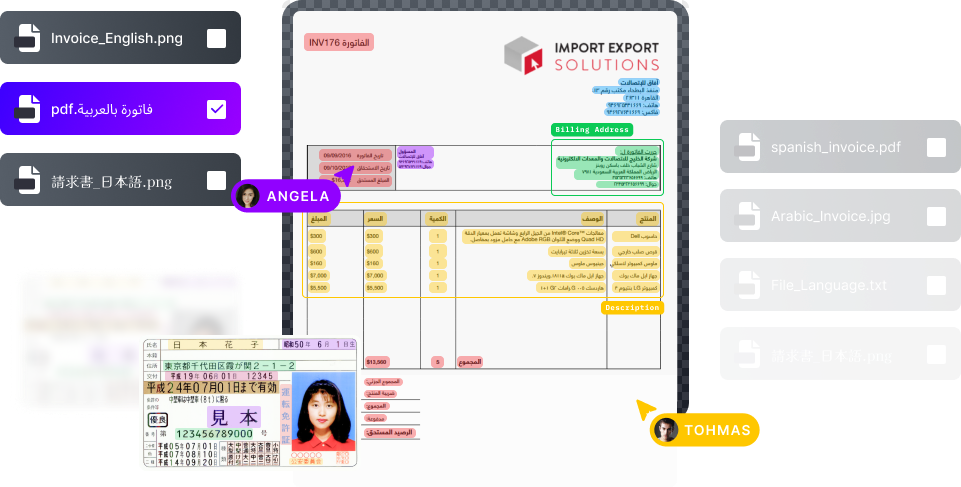
As businesses operate in a more globalized economy, the need for multilingual OCR capabilities has increased. Invoices come in a variety of languages, and advanced OCR systems are now equipped to handle multilingual documents, ensuring businesses can process invoices from international suppliers with ease.
Cloud-based OCR Solutions
One of the most significant trends in 2024 is the shift towards cloud-based OCR solutions. These platforms offer several advantages over on-premise solutions:
• Scalability: Cloud-based OCR can handle increasing volumes of invoices without requiring additional infrastructure.
• Accessibility: Employees can access OCR software from anywhere, streamlining remote workflows.
• Reduced Costs: Businesses save on hardware and IT maintenance by leveraging cloud services.
Cloud-based OCR systems also come with improved real-time processing capabilities, allowing for faster data extraction and automation of the entire invoice-to-payment cycle.
Predictive Analytics in Invoice OCR Software
Another exciting trend is the integration of predictive analytics with OCR tools. By analyzing historical invoice data, OCR systems can help businesses predict future expenses, track vendor performance, and identify cost-saving opportunities. This empowers companies to make more informed decisions about cash flow management and vendor relationships.
Real-Time Processing and Automation
With the rise of real-time data processing, businesses can now process invoices as soon as they are received, significantly reducing the time spent on manual approvals. Innovations in Robotic Process Automation (RPA) and OCR have paved the way for fully automated workflows, allowing businesses to automate tasks like:
- Invoice matching with purchase orders
- Payment approvals
- Dispute resolution
Real-time OCR ensures that businesses stay agile, improving cash flow management and operational efficiency.
The Role of APIs in Expanding OCR Capabilities
Application Programming Interfaces (APIs) have become essential tools for businesses looking to customize OCR solutions. APIs allow companies to integrate OCR software seamlessly into their existing workflows and systems, from ERP platforms to bespoke accounting tools. This level of flexibility enables businesses to tailor OCR functionality to meet their unique needs, enhancing both accuracy and operational efficiency.
Paperless Invoicing and Automation
The shift towards paperless invoicing continues to gain momentum in 2024. Many companies are abandoning traditional paper-based systems in favor of e-invoicing and digital document management. This move not only reduces costs but also enhances environmental sustainability. By combining OCR with digital document solutions, businesses can achieve full automation of the invoice lifecycle—from data capture to payment processing.
Challenges Facing OCR Technology
Despite its many advancements, OCR technology still faces challenges. Data privacy concerns remain an issue, especially when handling sensitive financial documents. Additionally, while OCR has made significant strides in accuracy, it still struggles with highly complex document types and layouts, requiring ongoing development in AI and machine learning.
The Future of Invoice OCR Software in 2025 and Beyond
The future of Invoice OCR software is bright, with innovations in AI, cloud computing, and predictive analytics driving the next wave of transformation. As OCR tools become more advanced, businesses will continue to benefit from increased efficiency, accuracy, and compliance in their invoice processing workflows. Looking ahead, the adoption of OCR will play a key role in driving digital transformation, enabling businesses of all sizes to streamline their financial operations and stay ahead of the curve.


